
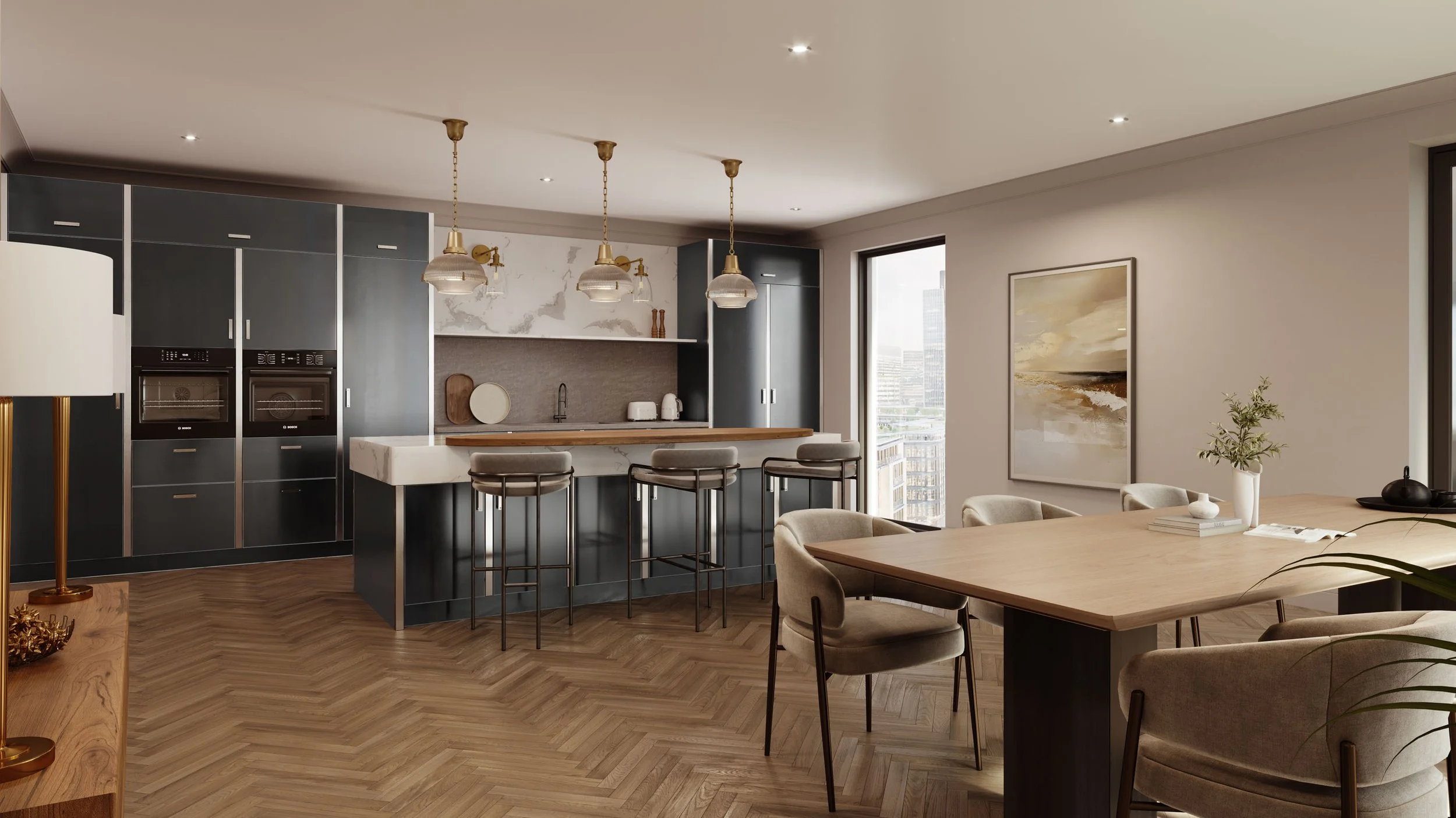
Bespoke Steel Kitchens
Every WodenStel kitchen is designed specifically for the space, the way it will be used and the people using it.
Tom develops each kitchen from the initial brief through detailed CAD design, considering the construction and manufacture of every component as part of the design process.
The kitchens combine stainless steel with hot-rolled mild steel, brass, copper, oak and other complementary materials.
Each component is made to order in Britain, then personally finished and assembled into the final piece by Tom.
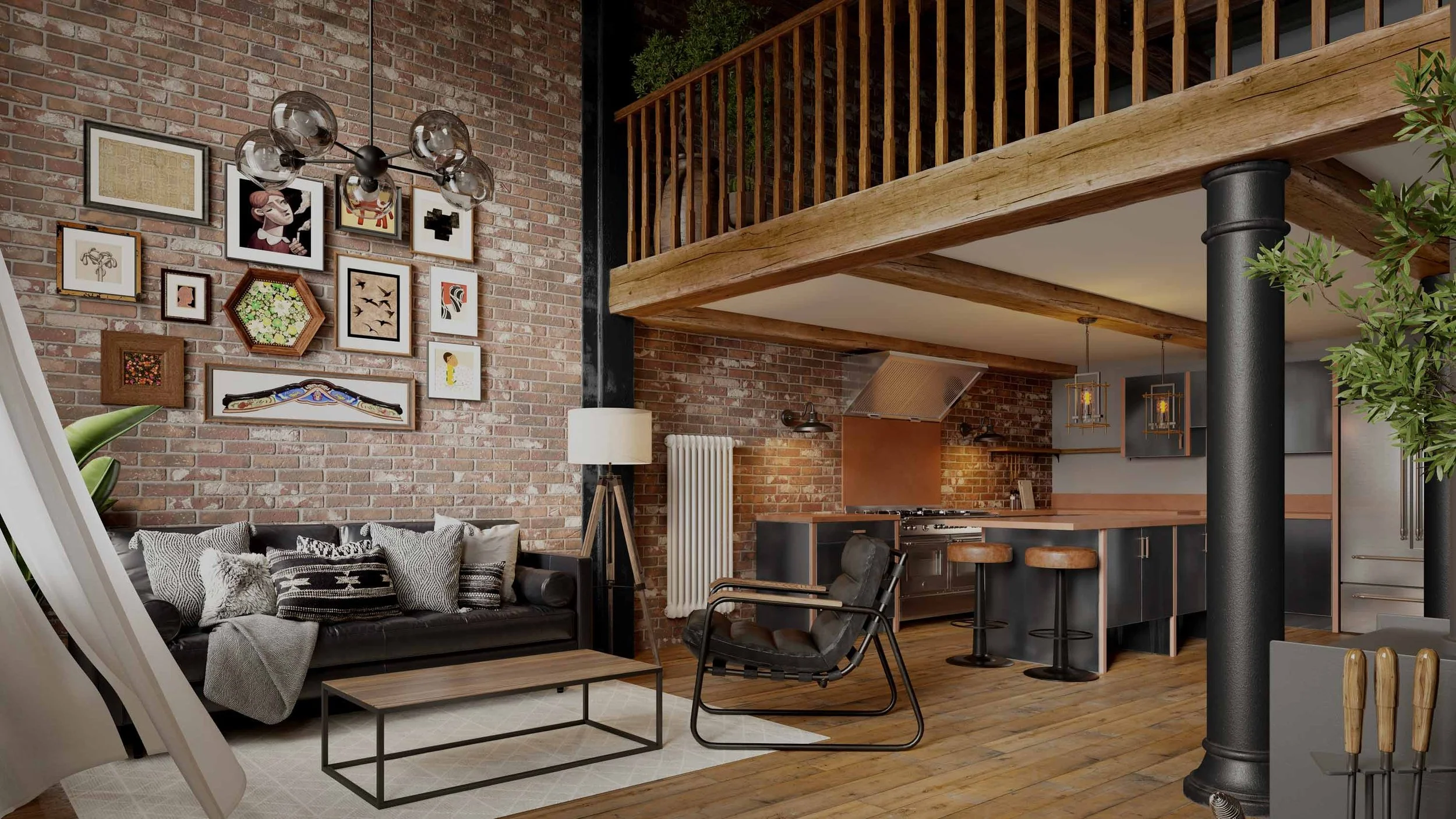
The Foundation of a WodenStel Kitchen
A WodenStel kitchen is built around a substantial stainless steel structure. The cabinets are constructed from 1.5mm thick 304 stainless steel, including the shelves, drawer chassis and the backs of the doors.
The individual components are laser cut from sheet metal and accurately formed on a press brake. Where required for strength or appearance, corners are TIG welded and finished by hand.
The folded trays that form the top and bottom sections of the cabinets are a good example of this approach. Carefully designed folds and radiused corners create a clean, solid form that can look almost as though it has been machined from a single block of steel.
For applications where greater corrosion resistance is required, such as outdoor kitchens, 316 stainless steel can be specified.
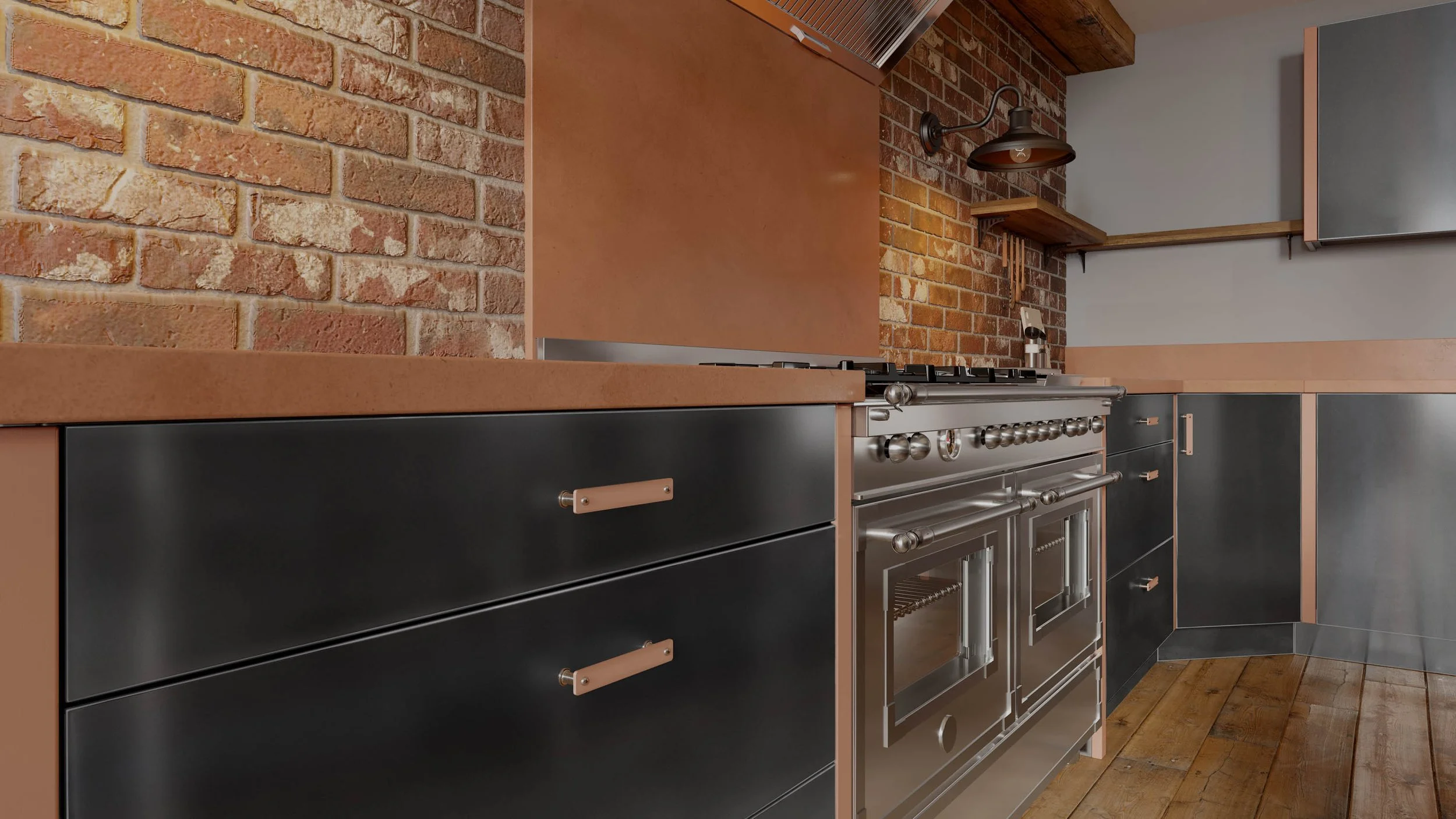
Built from Stainless Steel
Our kitchens are constructed from stainless steel rather than using a conventional substrate with a stainless steel skin or finish applied to it.
This gives the cabinets a substantial and rigid construction, while providing the corrosion resistance and durability that makes stainless steel particularly well suited to a kitchen environment.
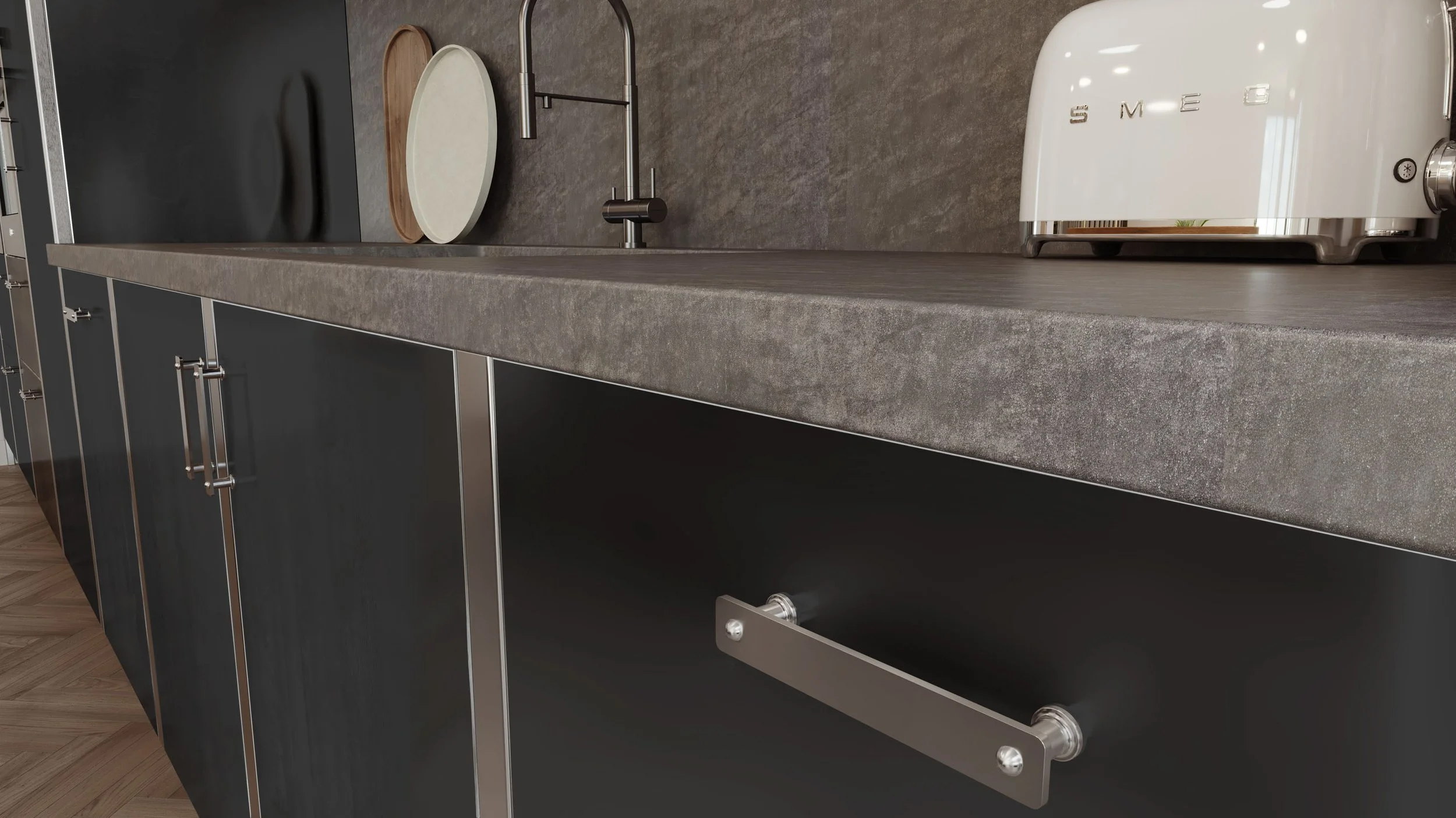
Precision Engineering
Every component is developed in detailed CAD before manufacture begins.
Tom considers how the individual parts will fit together, how they will be manufactured and how the finished kitchen will be assembled. Components are laser cut and accurately formed, with construction details resolved before anything is made.
The result is precise construction without relying on standard cabinet dimensions or off-the-shelf units.
Clean & Practical
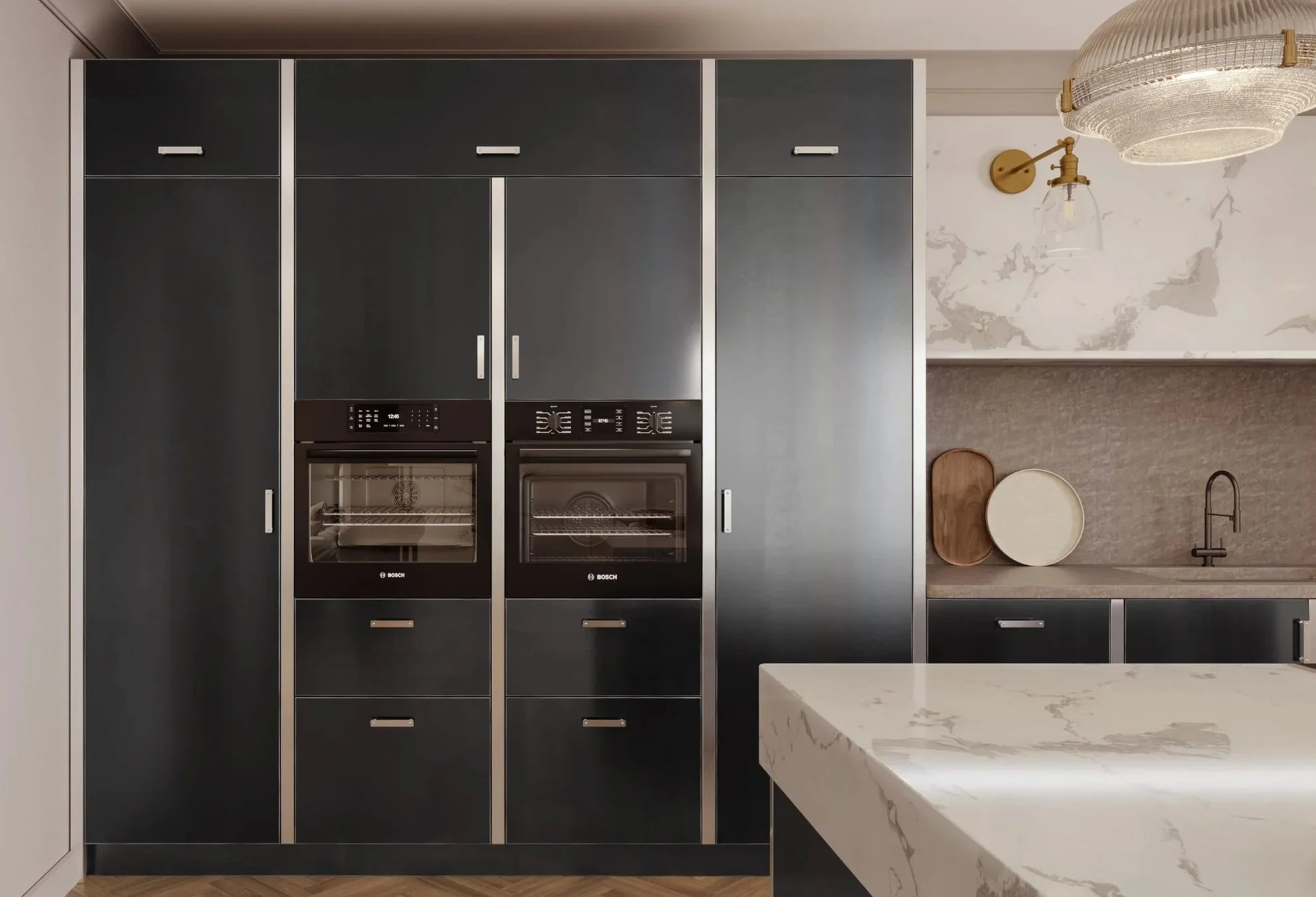
Stainless steel is resistant to heat, moisture and staining, making it particularly well suited to the demands of a kitchen.
The brushed surface will inevitably pick up marks and scratches through normal use, but it remains part of the material itself rather than a coating applied to it. It can also be re-finished when required.
No kitchen remains pristine. The important question is how it responds to being used.
Designed Around the Project
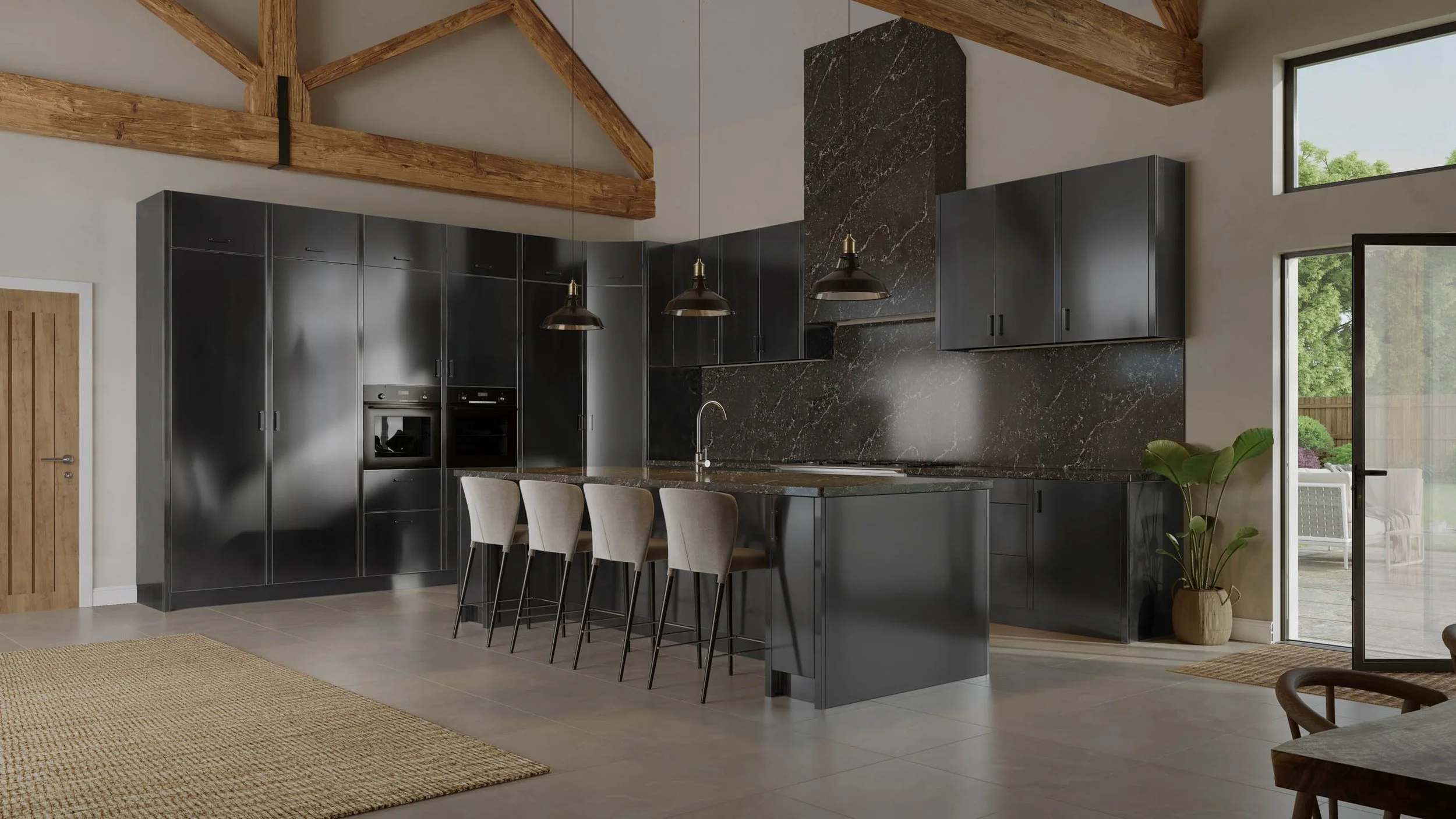
Every WodenStel kitchen is designed specifically for its space rather than built from a fixed range of standard units.
The layout, dimensions and proportions are developed around the room, the architecture and the way the kitchen will actually be used. Appliances, storage, work surfaces, services and other practical requirements are considered as part of the design rather than fitted around it afterwards.
Built to Last
No kitchen remains pristine. The important question is how it responds to being used.
A surface that is damaged by everyday wear can quickly begin to look tired, whereas a material with inherent durability can develop character as it ages.
This is part of the appeal of the stainless steel used in WodenStel kitchens. As the kitchen is used, the surface will develop its own character, recording the life of the kitchen and gradually settling into its surroundings.
Seamless Integration
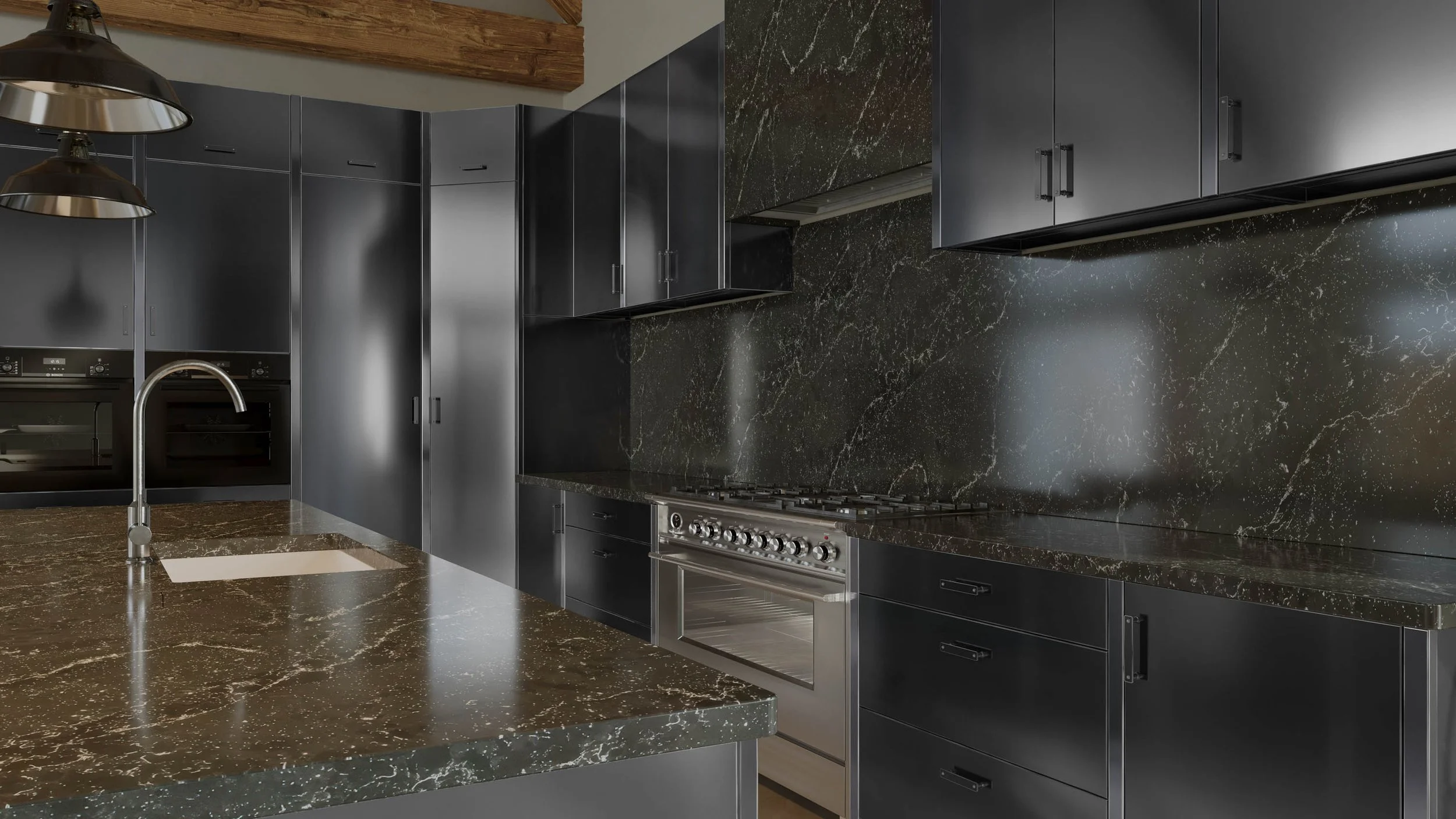
A kitchen needs to work as part of the architecture around it.
WodenStel kitchens can incorporate appliances, work surfaces, splashbacks, handles, storage and other elements as part of the overall design. Dimensions and junctions are resolved in CAD so that the kitchen works with the room rather than being treated as a separate collection of units.
This is particularly important when working alongside architects and interior designers, where the kitchen forms part of a wider scheme.
Ready to begin your bespoke kitchen project?
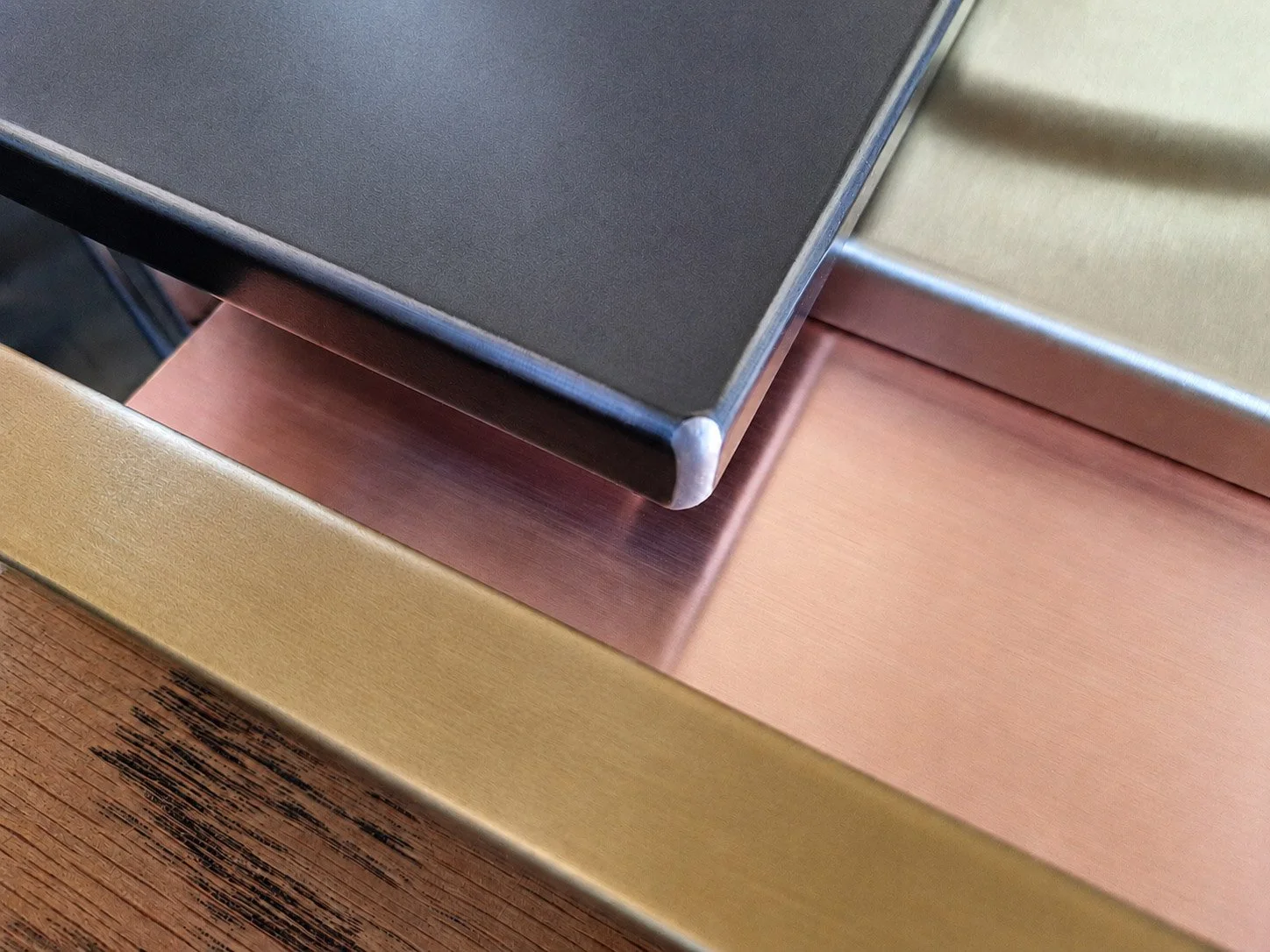
Materials for Bespoke Kitchens
The materials used in a WodenStel kitchen are chosen for their properties as well as their appearance.
Stainless steel forms the structural basis of the cabinets, while hot-rolled mild steel, brass, copper, oak and other materials can be introduced to create contrast, warmth and variation.
The combination of materials is developed around the individual kitchen and the wider space rather than selected from a fixed range.
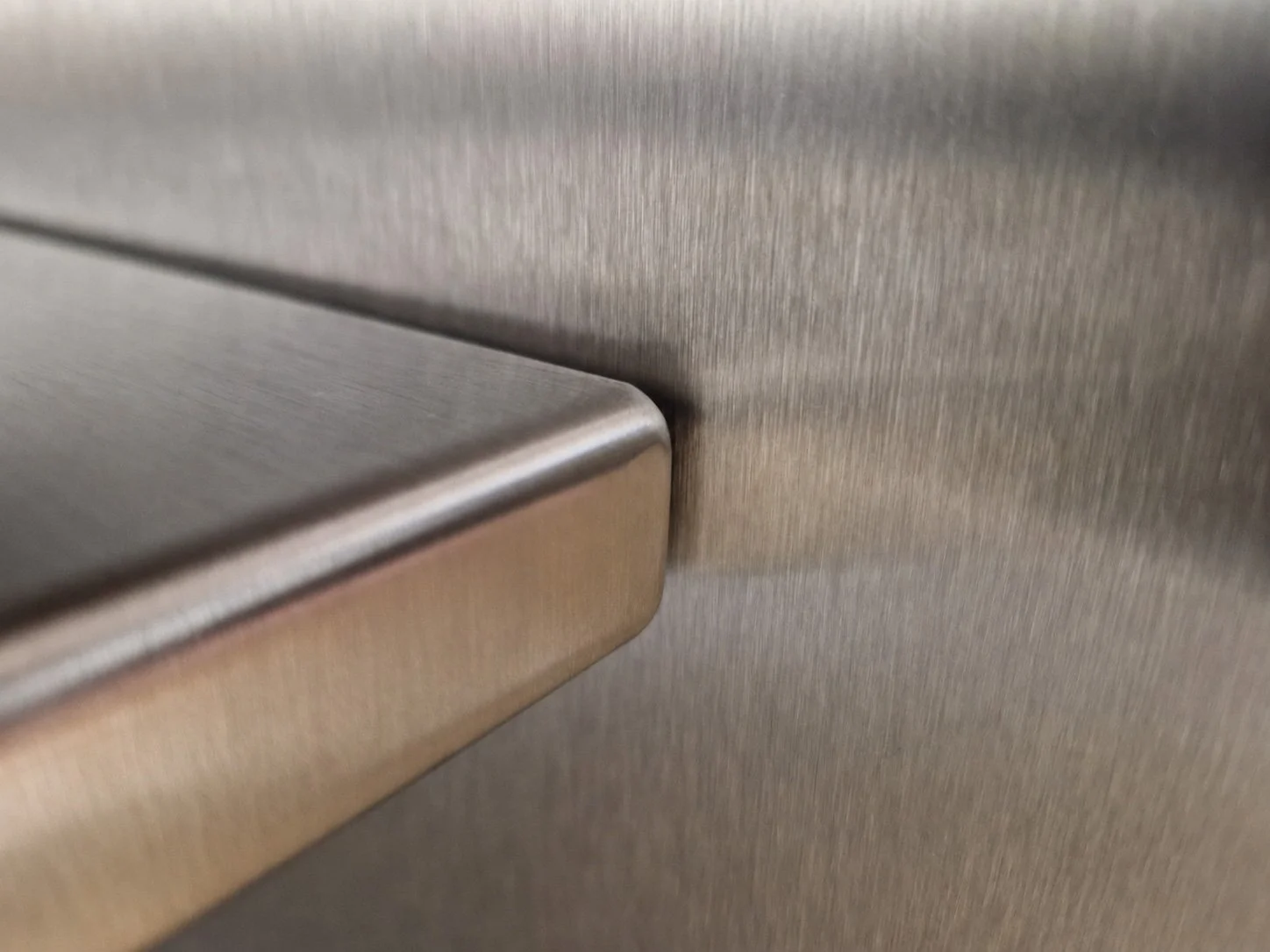
Stainless Steel
Stainless steel forms the structural backbone of every WodenStel kitchen.
The cabinets, shelves, drawer chassis and backs of the doors are constructed from 1.5mm 304 stainless steel, providing strength, rigidity and resistance to moisture and corrosion.
The stainless steel can be specified with different surface finishes depending on the design. For applications where greater corrosion resistance is required, including outdoor kitchens, 316 stainless steel can be used.
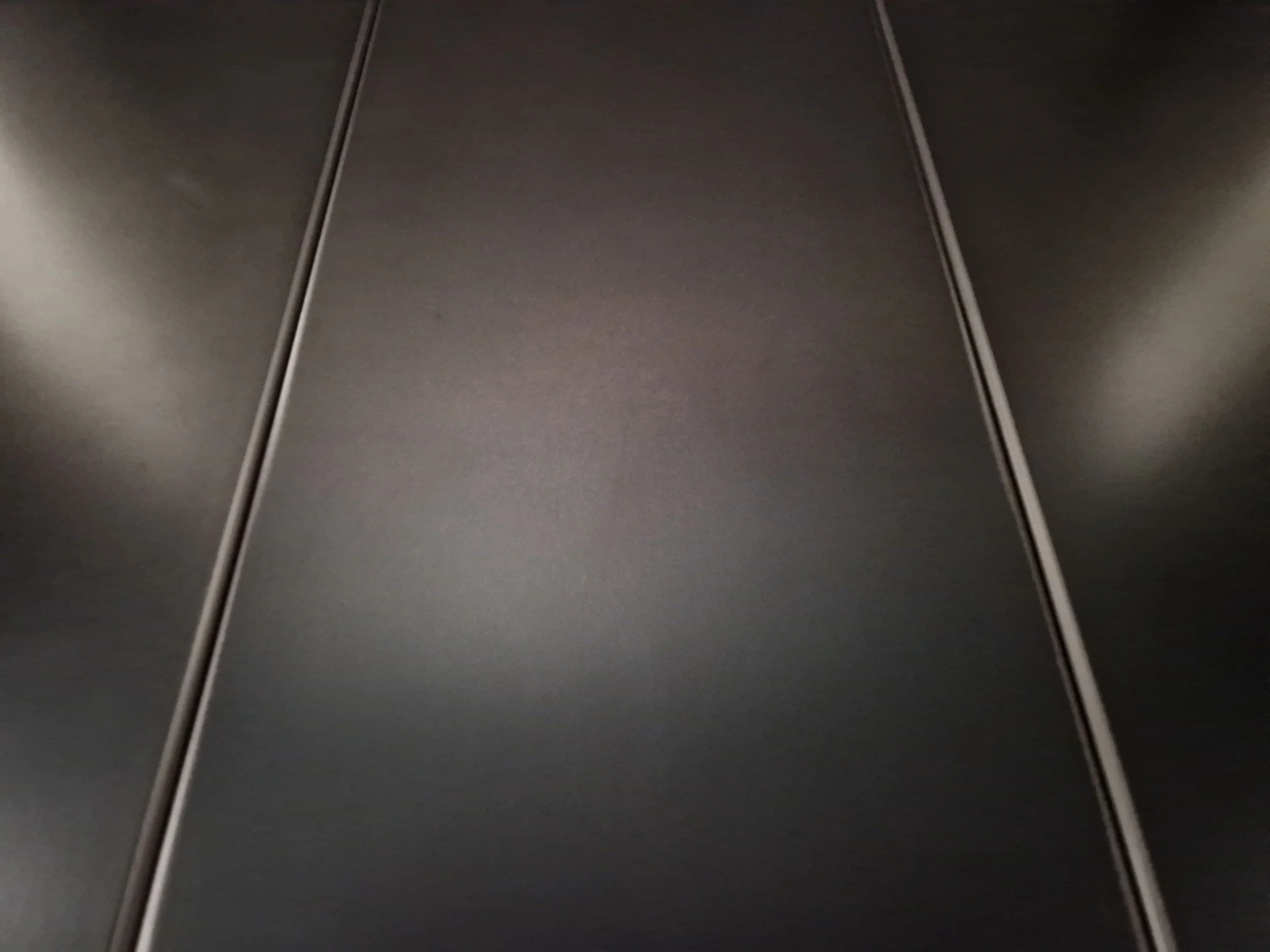
Hot Rolled Mild Steel (HRMS)
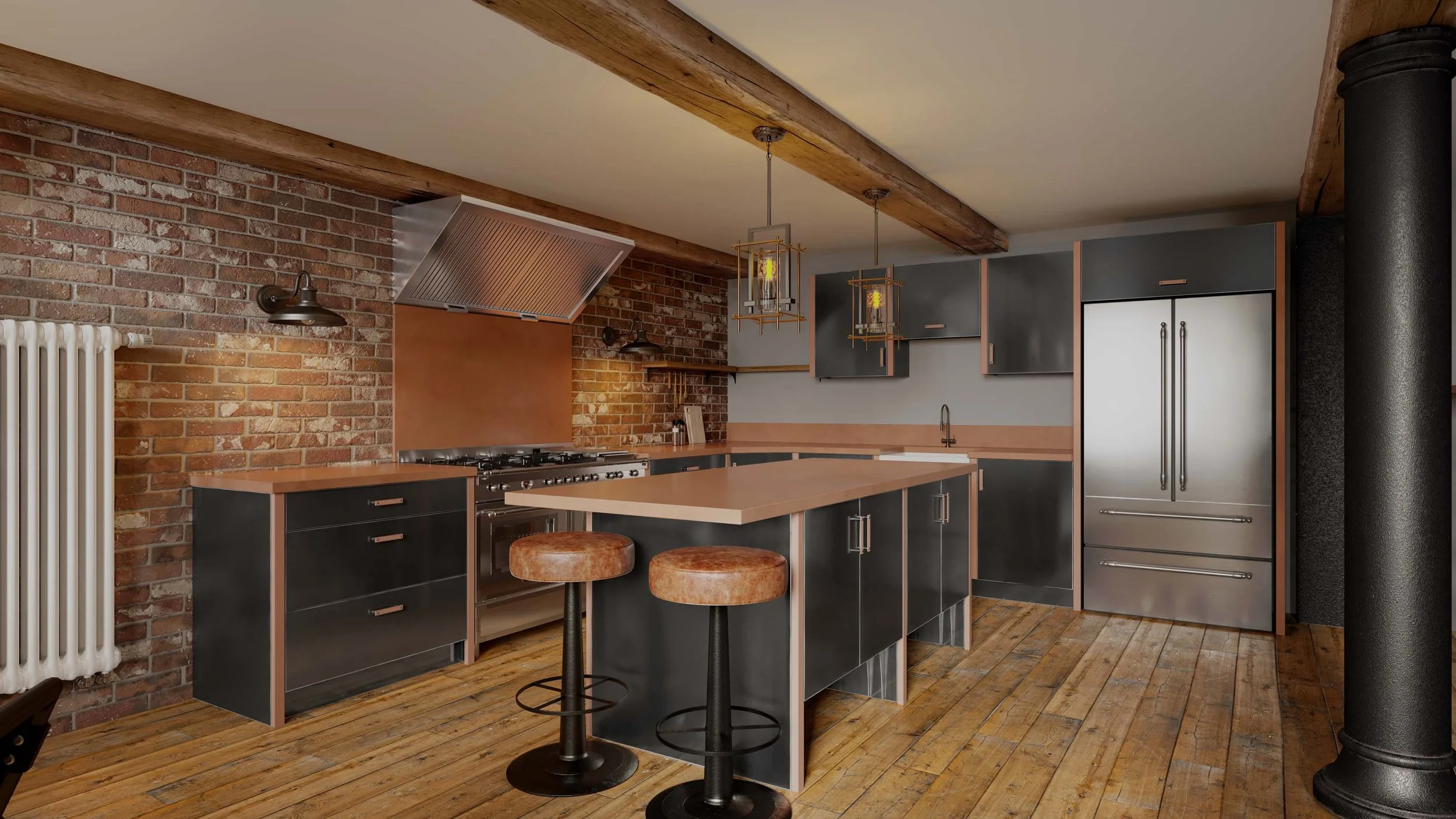
Hot rolled mild steel is the main visual material in our kitchens, bringing depth, texture, and a distinctive industrial character to doors and drawer fronts. Its natural surface variations provide an authentic, one-of-a-kind appearance. Finished with a zinc phosphate coating and a clear polyester powder coat for durability and corrosion resistance, HRMS retains its raw aesthetic while standing up to daily use. Bold and versatile, it suits both contemporary and heritage-inspired interiors.
Brass
Brass is used for trim sections where warmth and elegance are desired. Its golden tones pair especially well with HRMS, making it ideal for barn conversions and heritage renovations. Over time, brass develops a natural patina, adding depth and individuality. Designers choose brass to soften steel’s industrial edge while maintaining a cohesive, material-focused look.
Copper
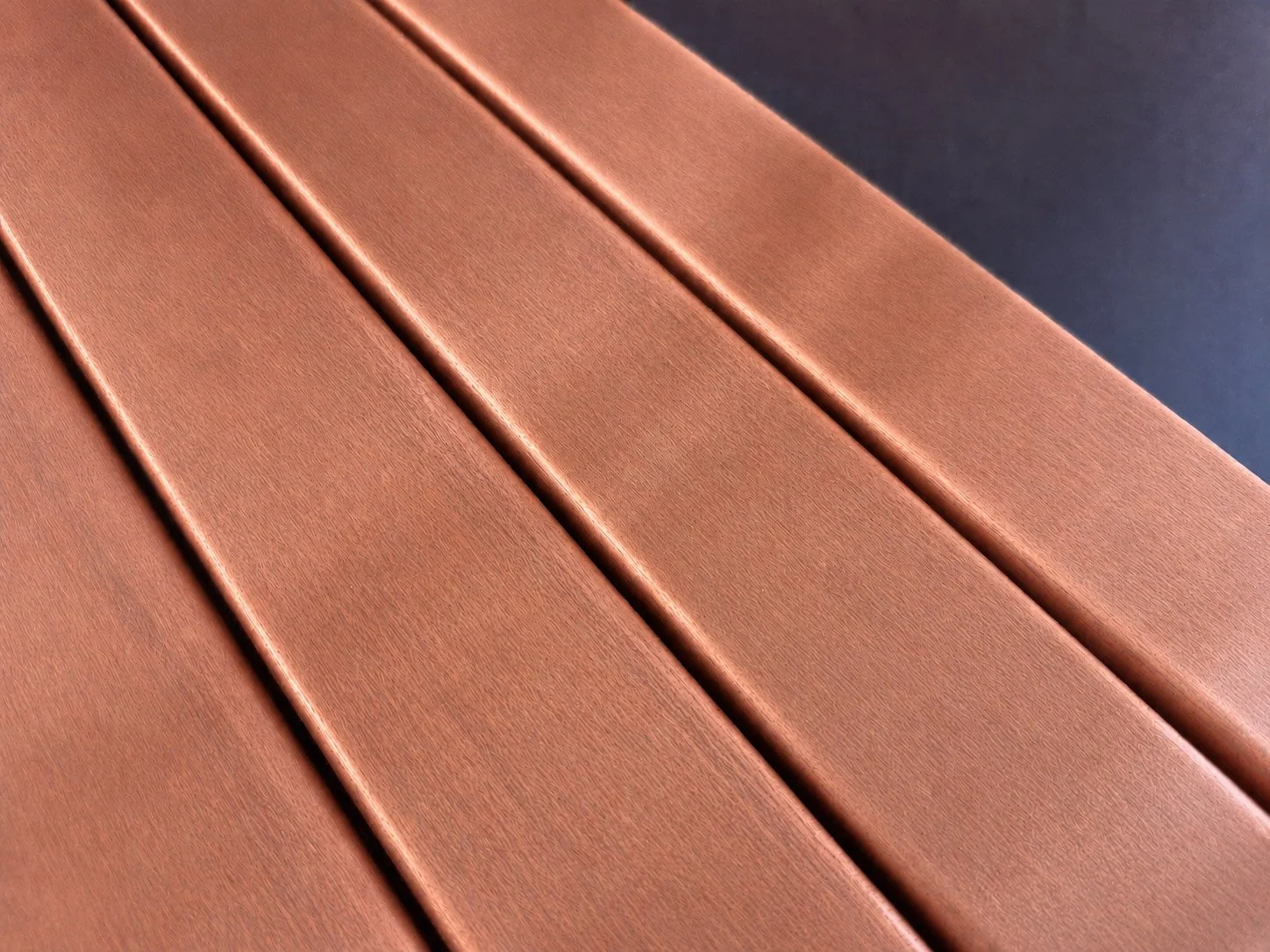
Copper trims offer a bold, expressive accent, well-suited to industrial interiors and renovated factory buildings. Its rich, warm tones create striking contrast with HRMS, resulting in a visually dynamic finish. Copper also develops a patina, giving the kitchen a unique, evolving character. It’s a favourite for designers seeking a statement material with both personality and heritage appeal.
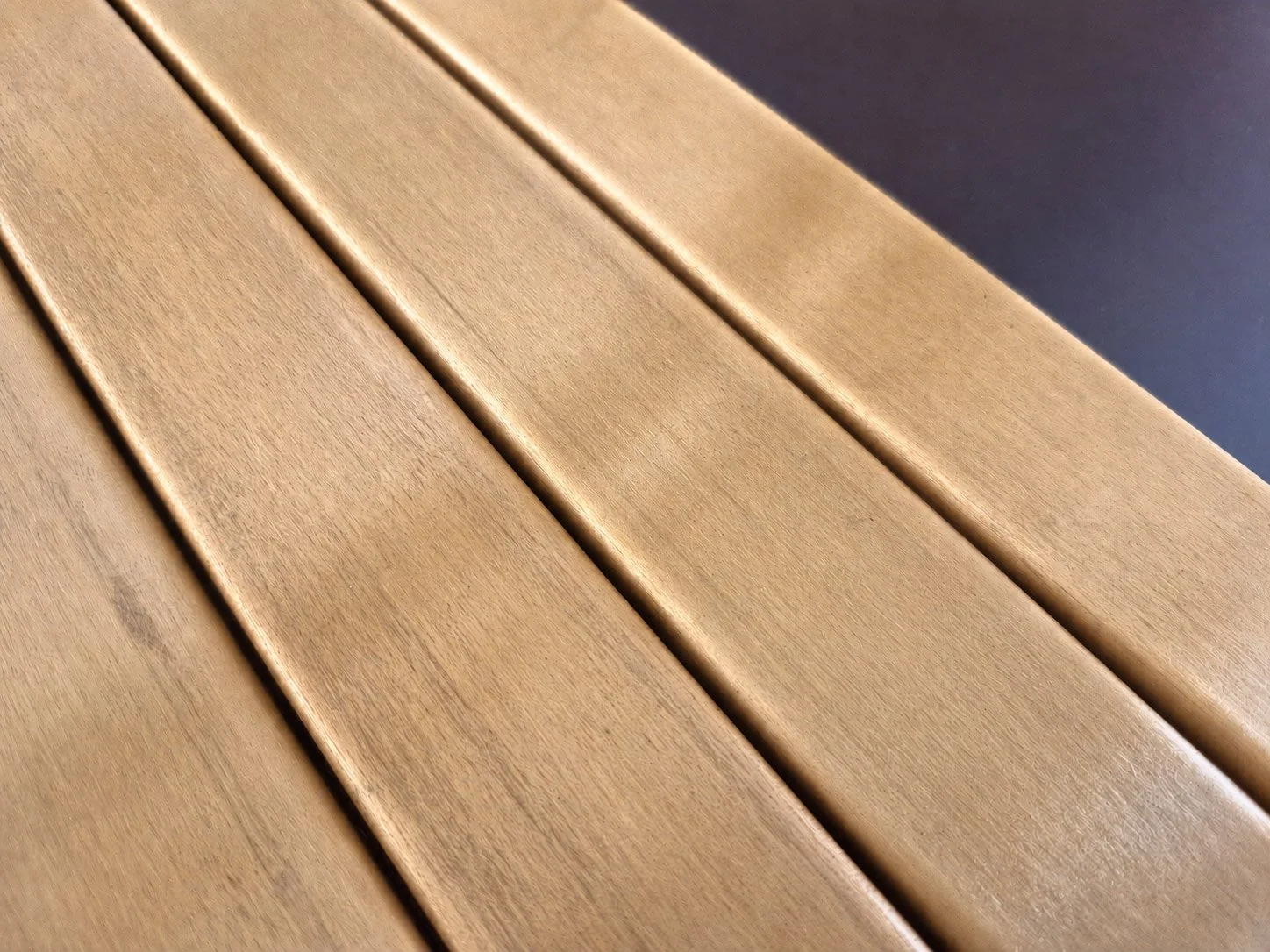
Oak
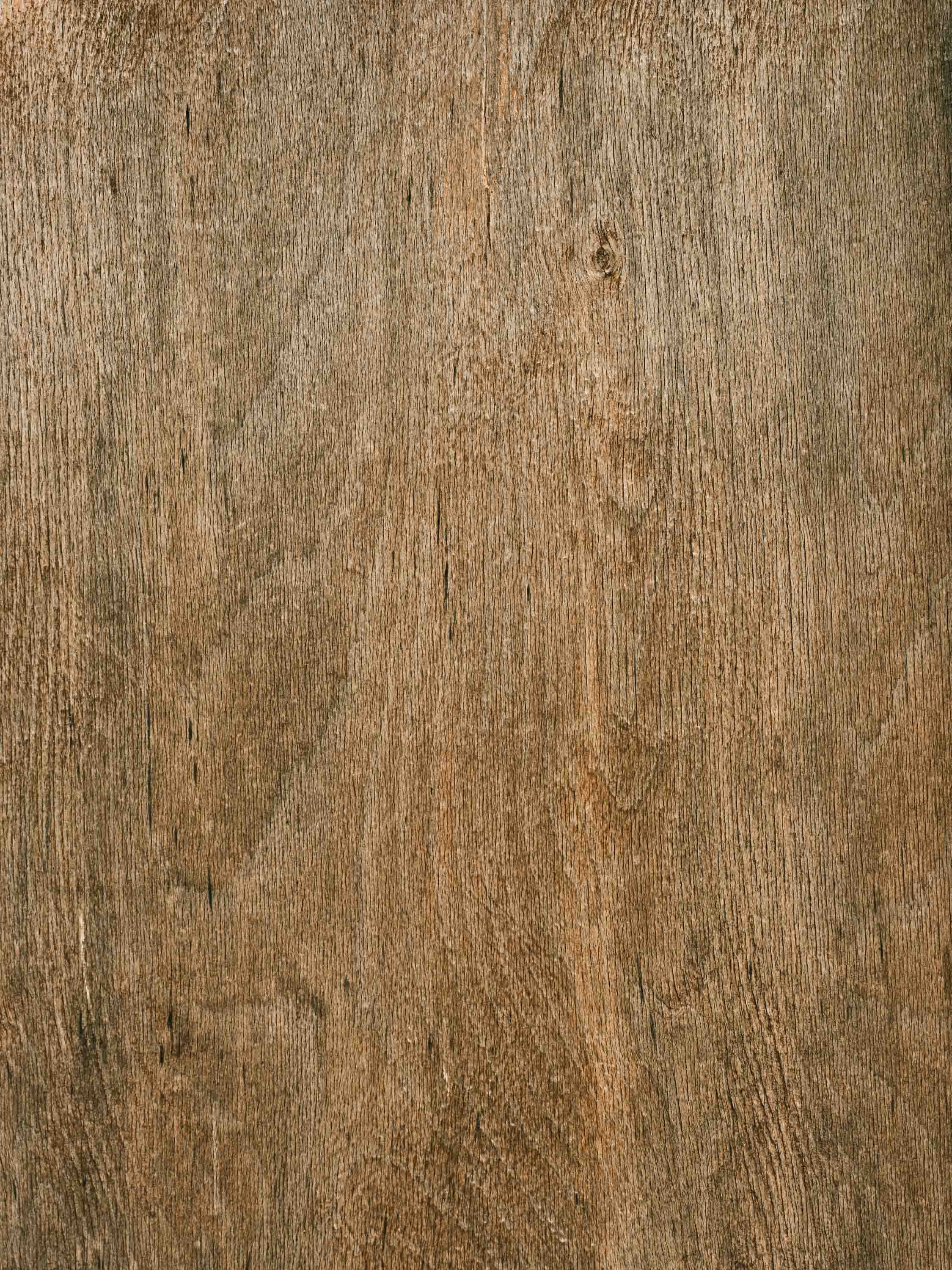
Oak trim introduces natural warmth and a tactile balance to the steel elements. Its grain and organic texture complement both modern and traditional properties, making it a versatile choice. Durable and timeless, oak works well in homes that blend contemporary design with natural materials, adding softness without compromising strength.
custom
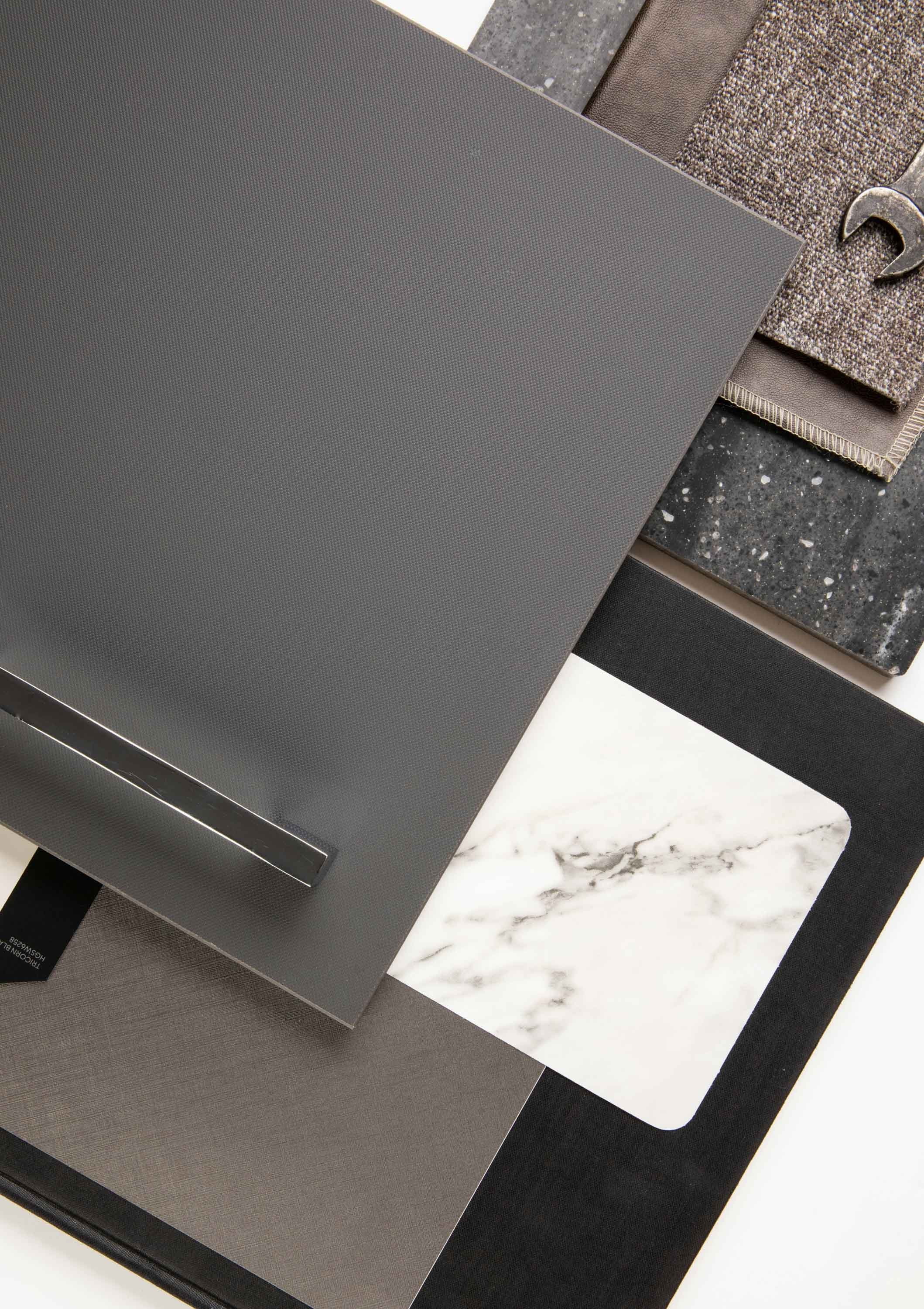
For projects requiring something more individual, WodenStel can accommodate custom materials to meet specific design requirements. Whether incorporating specialist metals, natural materials, stone, or bespoke finishes specified by the client or design team, every element is carefully integrated to complement the kitchen while maintaining the precision, durability, and refined finish that define every WodenStel kitchen.
Frequently asked questions
-
Stainless steel offers superior strength, hygiene, and longevity. It ensures the internal structure of each unit remains stable, smooth to operate, and resistant to moisture or wear over time.
-
No - stainless steel is only exposed when doors or drawers are opened, maintaining a clean, uninterrupted exterior aesthetic.
-
HRMS delivers a distinctive, textured appearance with natural variation. Once clear polyester powder coated, it becomes highly durable, corrosion-resistant, and ideal for everyday kitchen use.
-
The zinc phosphate coating forms a micro-crystalline protective layer that provides a corrosion resistant layer. The polyester powder coat seals the surface and preserves the steel’s raw character while further enhancing scratch, stain, and corrosion resistance.
-
Our trims can be specified with either a polished or bead blasted finish, but both materials naturally develop subtle patina over time. Light, occasional care keeps them looking their best, depending on whether you prefer a polished or aged look.
-
Yes—many clients combine trims to suit different zones or features of the kitchen. We can guide you on combinations that look cohesive and intentional.
-
While our kitchens feature an industrial aesthetic with HRMS, stainless steel, and metal trims, they are fully modern and premium in function. All doors and drawers come with soft-close mechanisms, and units are designed to integrate seamlessly with appliances, ensuring a contemporary, high-performance kitchen experience.
-
Absolutely. All materials can be tailored to your specification, ensuring the final design reflects both your aesthetic preferences and the character of the space.
beyond the kitchen
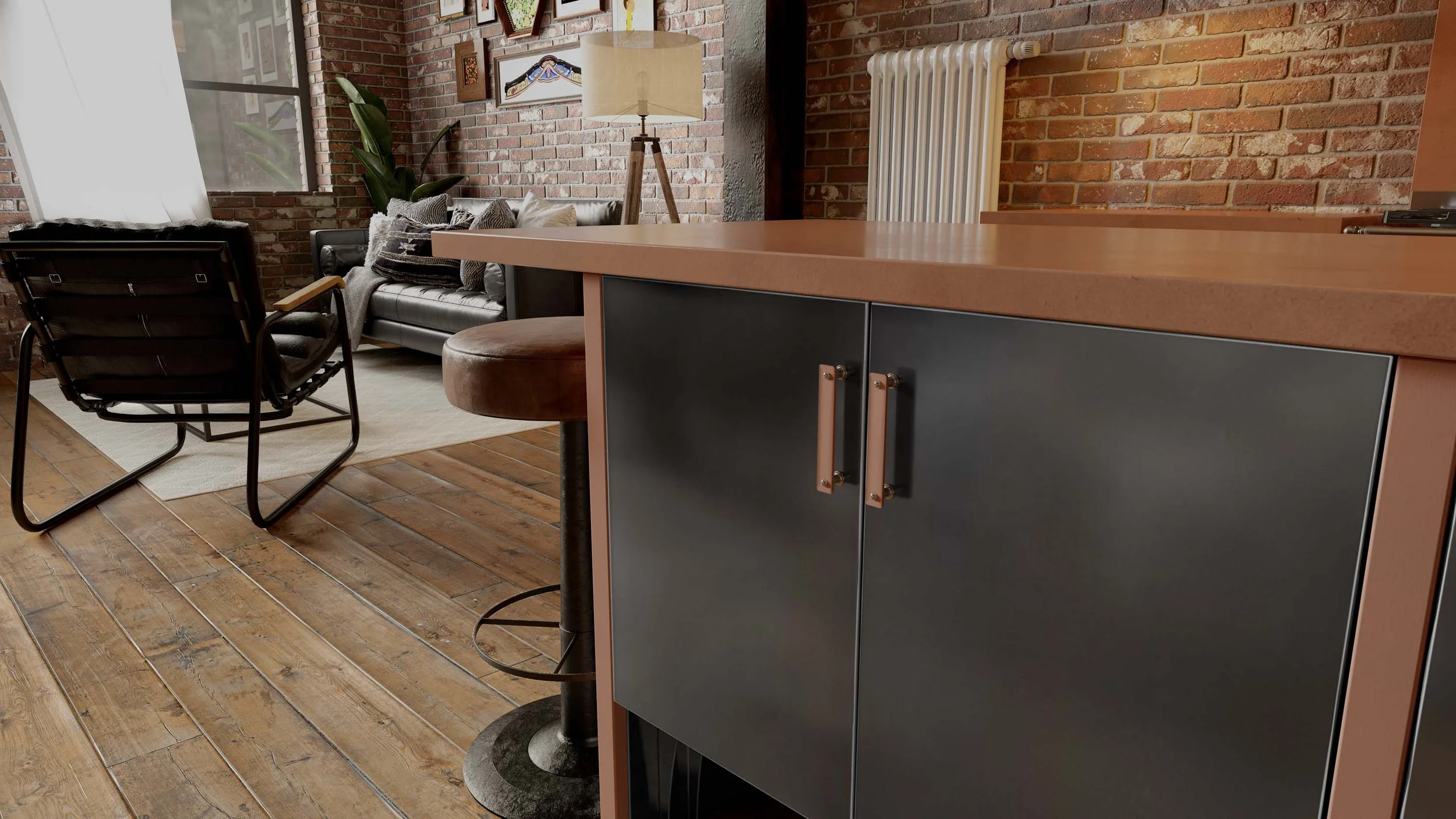
Kitchens are the most developed expression of WodenStel's approach, but the same design and manufacturing expertise can be applied to other parts of a project.
Tom also designs and develops bespoke furniture, storage, utility rooms, bathroom furniture and other individual pieces in steel and complementary materials.
If you have a project that doesn't fit neatly into a standard category, Tom would be very happy to discuss it with you.